

Find Cheap Ammunition in Bulk Without Sacrificing Quality
Cheap ammunition often delivers 90% of the performance of premium rounds at half the cost, primarily by using steel casings, berdan primers, and bi-metal jackets that reduce material expenses without altering ballistic fundamentals. Its functional reliability depends on consistent powder 9mm Ammo for Sale charges and bullet weights, which remain adequate for training, plinking, and zeroing at standard distances under 300 yards. The key benefit is volume: shooters can fire three times more rounds for the same budget, accelerating muscle memory and recoil management. For practical accuracy work, pairing inexpensive ammo with a quality optic and a properly maintained barrel yields results indistinguishable from high-end loads at typical defensive ranges.
How to Find Budget-Friendly Rounds Without Sacrificing Reliability
How can you find budget-friendly rounds without sacrificing reliability? Start by testing a single box of a cheaper brand against your firearm’s cycle rate before bulk-buying. Look for proven budget ammunition with consistent brass caseing—steel cases save money but may jam in tight chambers. Stick to major loaders (Federal, Winchester, Remington) who offer “white box” or “value packs” that reduce packaging costs, not quality. Where should you check for cheap rounds first? Compare rounds per dollar online, but only from vendors with a return policy for duds. Buy in bulk during seasonal sales—often after hunting season—when surplus runs drop prices 10–20%. Test 50 rounds of any new lot for primer strikes and muzzle velocity before trusting it for defense. Finally, avoid remanufactured ammo lacking pressure-test stamps; a few extra cents per round beats a squib load in your barrel. Reliable savings come from smart testing, not blind bargain hunting.
Why Do Affordable Cartridges Sometimes Misfire—and How to Prevent It
Affordable cartridges often misfire because budget manufacturing tolerances allow hard or improperly seated primers, which your firearm’s firing pin may strike too lightly or off-center. Cheap ammunition also suffers from inconsistent primer compound moisture or case-head thickness, both of which deaden the impact. To prevent this,
always load one round and test-fire before relying on a box for self-defense or competition—this reveals weak strikes immediately.
Furthermore, keep your firing pin channel clean and use a heavier hammer spring if your platform allows it, since cheap rounds need every bit of energy to ignite. Finally, store bargain ammo in a dry, temperature-stable place; moisture is the primary killer of budget primers, turning a “dud” into a click instead of a bang. One firm, repeated dry-fire on the same primer can sometimes re-strike it, but never risk a hangfire—wait 30 seconds before ejecting.
Understanding primer sensitivity in low-cost brands
Understanding primer sensitivity in low-cost brands starts with recognizing that bargain primers often use harder, less consistent compounds to cut costs. This means your firearm’s striker or hammer must deliver a faster, more forceful blow to reliably ignite them. If you experience a click without a bang, first inspect your firing pin channel for residue buildup, and consider upgrading to a lighter-weight striker spring—but only 7mm Rem Mag Ammo for Sale if your gun is designed for it. A weak factory spring that works fine with premium ammo will frequently be the exact reason cheap rounds fail to fire. Test a box of the suspect brand in a different handgun; if it fires there, your primary gun’s ignition system is the variable. Adjusting your trigger pull or replacing worn firing pin springs directly addresses this mismatch, turning sporadic misfires into dependable ignition.

Proper storage habits that maximize the lifespan of discount ammo
Proper storage habits that maximize the lifespan of discount ammo begin with a sealed, airtight container—cheap cartridges often have thinner sealants, making them prone to moisture ingress. Keep the crate in a cool, dry place below 70°F, as temperature swings degrade powder consistency and primer compound. Add silica gel packets to absorb humidity, and rotate your stock by date, shooting the oldest rounds first. Even budget brass can corrode invisibly if stored on a concrete floor, so elevate the box on a wooden pallet or shelf. Avoid exposing bulk ammo to direct sunlight or radiator heat, which accelerates propellant breakdown. Consistent low-humidity storage directly reduces misfire rates by preserving the 9.3x72R Ammo for Sale ignition chain. Check monthly for rust or scent changes, and reseal after every partial use.
Store cheap ammo airtight, cool, dry, and elevated; rotate stock and monitor often to prevent moisture-caused misfires.
How to Match Low-Cost Loads to Your Firearm’s Action Type
Matching inexpensive ammunition to your action type prevents malfunctions and premature wear. For gas-operated semi-autos, low-cost loads with inconsistent powder burn rates can short-stroke the bolt; test a box of budget 115-grain 9mm to confirm reliable cycling before bulk-buying. In manually cycled bolt-actions or lever guns, cheap ammo’s softer primers are irrelevant, so prioritize low recoil for accuracy—try promotional .308 soft-points, which feed smoothly. For pump shotguns, avoid 9.3x62mm Mauser Ammo for Sale extra-light target loads in defensive guns; they may not generate enough pressure to unlock the action reliably. Always verify the minimum power factor for your specific action’s recoil spring. Q: Should you shoot cheap reloads in a gas gun? A: Only if you clean the gas port frequently, as residue builds up faster. Stick to factory seconds for self-loaders, and reserve budget rounds for simplicity’s sake in manual actions.
Choosing the right bullet weight for gas-operated versus blowback systems
In gas-operated systems, bullet weight selection for cheap ammunition hinges on port pressure timing. Heavier projectiles (e.g., 147gr 9mm) delay barrel pressure decay, cycling the action more forcefully, which can over-stress springs but also reliably cycle stiff setups. Conversely, light bullets (115gr) produce snappier, shorter pressure peaks, risking short-stroking in under-gassed rifles. For blowback systems, bullet weight matters less for cycling force—the bolt mass handles that—but heavy bullets increase slide velocity and recoil impulse, accelerating frame wear. A cheap load that runs flawlessly in a gas gun may batter a blowback pistol. Prioritize the middle range (124gr) for gas guns to balance pressure dwell, while blowbacks tolerate lighter, lower-pressure loads to minimize stress without losing lockup reliability.
Match bullet weight to action: gas systems need enough dwell (mid-weight works), blowbacks favor lighter loads to reduce frame wear.
When to use full metal jacket versus hollow points on a tight budget
On a tight budget, cheap ammunition selection hinges on purpose, not price alone. Use full metal jacket rounds for high-volume practice, malfunction drills, and action cycling—their flat nose and hard jacket feed reliably in most pistols and rifles while saving cash for more trigger time. Reserve hollow points for defensive carry or home-defense loads, even if you buy only one box per range trip to verify function. If funds are extremely limited, prioritize FMJ for training, then allocate leftover money toward a smaller quantity of defensive hollow points. A practical sequence: first, zero with FMJ; second, shoot a few magazines of FMJ for recoil management; third, fire ten hollow points to confirm feeding; fourth, keep the rest for carry.
What Does “Cheap” Really Mean for Accuracy at 25, 50, and 100 Yards?
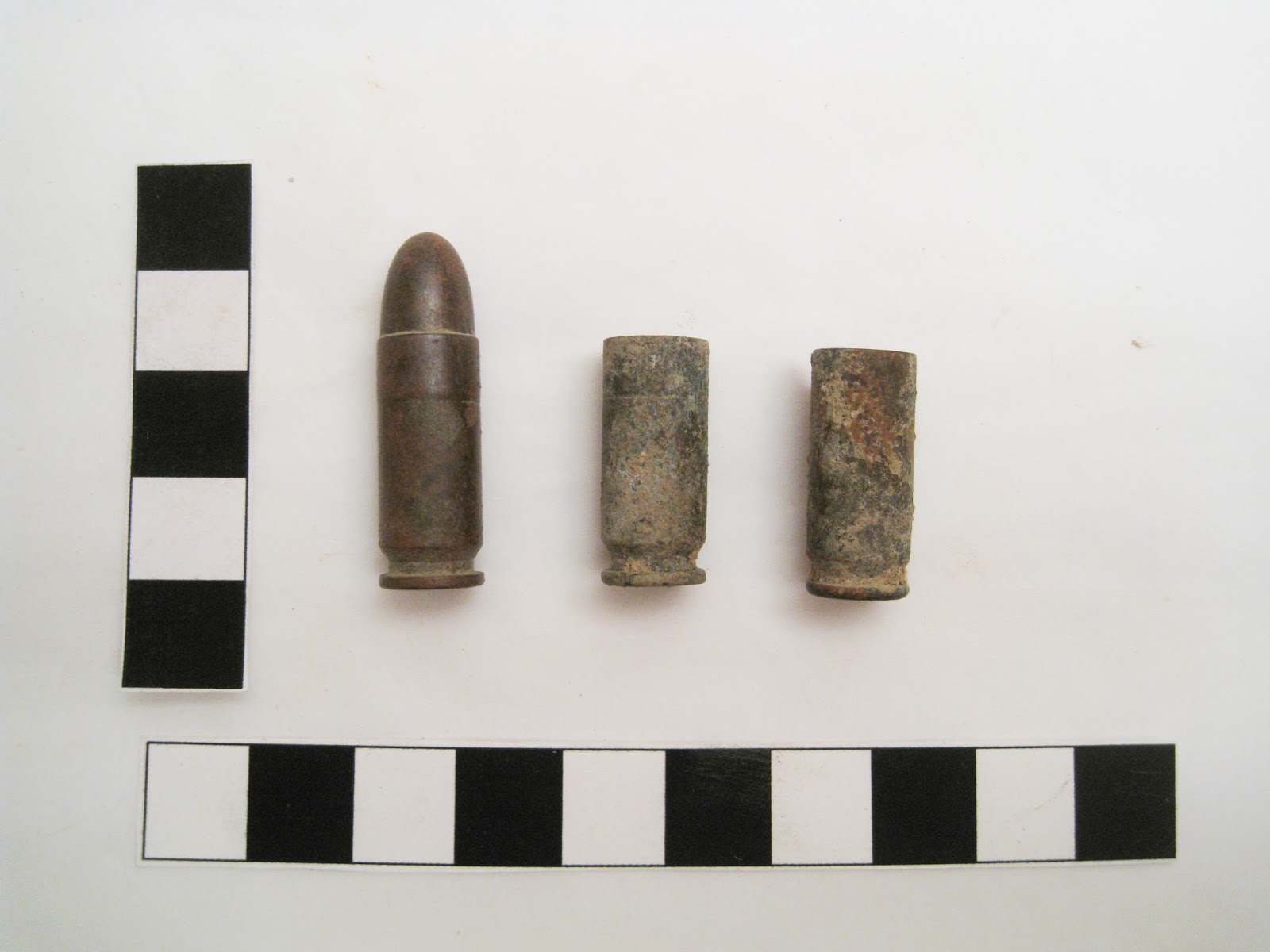
At 25 yards, “cheap” ammunition often means negligible accuracy loss for defensive practice; most budget loads group inside 2–3 inches, which is adequate for center-mass hits. The real divergence emerges at 50 yards, where inconsistent bullet weight and powder charges cause vertical stringing—cheap ammo’s velocity spread can exceed 50 fps, shifting point of impact by an inch or more. By 100 yards, the gap widens dramatically: economy loads that shot fine up close may open to 4–6 MOA, while premium match ammo holds 1.5–2 MOA. However, “cheap” isn’t universally bad—bulk FMJ ammo from reputable manufacturers (e.g., Winchester or Federal) often maintains acceptable 3–4 MOA at 100 yards, suitable for plinking, but not for precision work. The key is testing your specific firearm; a cheap load that groups well in your rifle beats an expensive one that doesn’t. Prioritize consistent bullet seating and uniform crimp over price, as these dictate real-world accuracy at longer distances.
Shooting drills that reveal the true precision of bargain-priced boxes
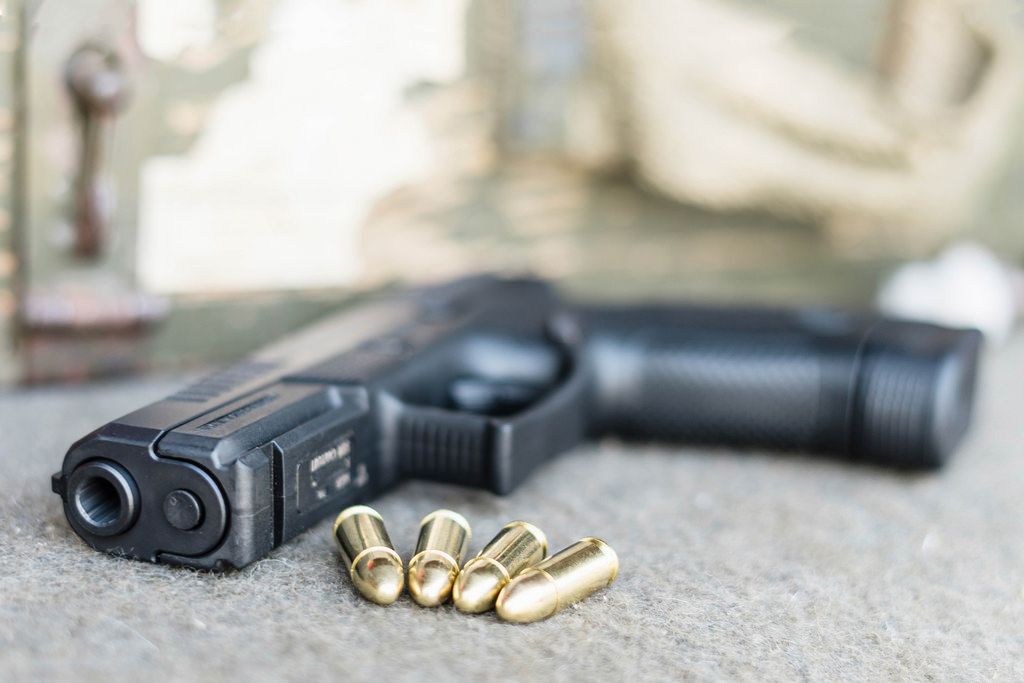
To see if those budget rounds actually hold up, skip the bench and run a **box drill at 50 yards**—fire five rounds at a six-inch target, then immediately transition to a smaller three-inch plate at 25 yards. If the cheap ammo scatters on the first string, you’ll know it’s the load, not your hold. Next, shoot a slow-fire group from a sandbag at 100 yards, but only after a rapid mag dump into a dirt berm to heat the barrel—thermal drift exposes weak primers and inconsistent powder. Track each hit on a single target with a sharpie. Bargain-priced boxes reveal their true precision when you repeat the same drill three times and compare group sizes, not just the best one.
Q: How many rounds do I need per drill to trust the result?
A: At least 15 per distance—five per string—because one flier could be your grip, not the ammo. Three strings per box gives you a real average, not a lucky group.
How barrel twist rate interacts with value-grade projectiles
With value-grade projectiles, twist rate dictates stability thresholds that cheap ammo often fails to meet. A fast 1:7 twist in a 5.56 barrel will aggressively spin a budget 55-grain bullet, but if that projectile has inconsistent jacket thickness or a soft lead core, the excessive RPM can amplify wobble before it settles. Conversely, a slow 1:12 twist struggles to stabilize heavier, cheaply-made 69-grain pills, causing keyholing at 50 yards even if they group decently at 25. *The real trick is matching a slower twist to lighter, cheaper bullets so the marginal construction isn’t stressed into erratic flight.* At 100 yards, this mismatch turns a sub-2-inch potential into a 4-inch shotgun pattern.
How to Buy in Bulk to Lower Cost Per Round Without Wasting Money
To truly lower cost per round with cheap ammunition, resist the urge to grab the absolute lowest-priced crate without checking the math. Calculate the price difference between a 100-round box and a 500-round case; the savings often justify the larger upfront spend, but only if you shoot regularly enough to use it within a year. Before committing to bulk, fire a small sample box from your specific firearm to ensure reliable feeding and acceptable accuracy, as a misfire-prone lot wastes money regardless of the sticker price. Also, factor in shipping and hazmat fees, which can silently erase your per-round discount if the final total isn’t compared against local store prices. Finally, split a massive case with a trusted shooting partner to enjoy bulk-tier pricing without tying up cash or risking moisture damage from long-term storage. This targeted approach ensures you maximize lower cost per round while avoiding the waste of unusable or overstocked cheap ammunition.
The ideal order size for casual shooters versus high-volume practice
For a casual shooter, the ideal order size is roughly 500 to 1,000 rounds of a single caliber, balancing per-box discounts against capital tied up in inventory that may sit unused for months. This quantity reduces cost per round meaningfully without risking ammo degradation or storage burdens. In contrast, high-volume practice demands an order size of 2,000 to 5,000 rounds, often purchased in sealed cases, to lock in the steepest bulk pricing and ensure consistent lot accuracy across frequent sessions. A dedicated practice routine burns through 200-plus rounds weekly, so a 1,000-round order, while cheaper per round than a brick of 100, still leaves you reordering within a month and losing potential savings. The key is matching order volume to your actual consumption rate, avoiding the trap of overbuying beyond what you can shoot within six to twelve months, which wastes money on unused stock. Matching order size to your shooting cadence prevents both stockpile waste and the higher per-round cost of frequent small purchases.
Which calibers see the steepest per-round savings when purchased by the case
The biggest per-round wins come from common defensive calibers like 9mm and .40 S&W, where case pricing often shaves 30–40% off box-store rates. Similarly, .223 Remington/5.56 NATO and .308 Win see massive drops—sometimes half the price—because they’re manufactured in high volume for bulk buyers. Less popular calibers like .45 ACP or .380 ACP still save well, but the percentage is lower due to smaller production runs. Rimfire rounds (e.g., .22 LR) are already cheap, so case savings are modest per round. Stick to high-demand calibers for the steepest discounts.
9mm, .40, .223/5.56, and .308 offer 9×18 Makarov Ammo for Sale the steepest per-round savings when bought by the case, often 30–50% off.
How to Test a Budget Batch Quickly Before Committing to a Large Purchase
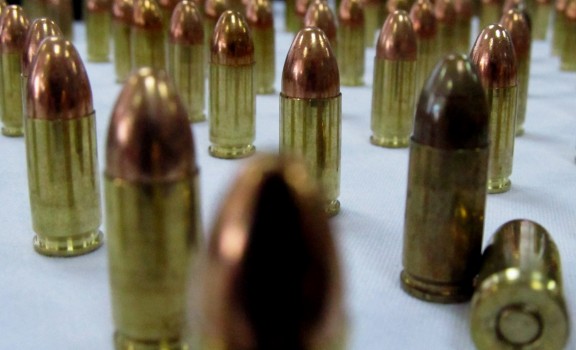
Grab a single box from the batch, not the whole case, and run a quick 50-round drill. Check for consistent extraction, primer strikes, and bullet seating by cycling a few rounds manually first. Fire five-shot groups at 25 yards to spot pressure signs like flattened primers or sticky bolt lift—if two fail to feed or group opens past 3 inches, walk away. Ask yourself: does this cheap ammo cycle in my gun’s magazine without nose-diving? That’s your pass/fail. Also weigh ten random rounds—a 0.5-gram spread means sloppy powder charges, so dump the lot. Chronograph ten shots if you have one; velocity swings over 40 fps are a red flag. If the first 50 feel gritty, smell burnt, or leave unburnt flakes, skip the bulk order and test another brand.
A simple 10-round function test that exposes feeding and extraction issues
Run one magazine’s worth of budget ammo through your firearm to catch feeding and extraction issues before bulk commitment. Load exactly ten rounds, chamber the first manually, then fire a controlled string with varied cadence—slow, rapid, and a reload. Watch for failures to feed, where the round noses upward or stalls, and for extractor slips, where the spent case stays in the chamber. *A single malfunction in ten rounds doubles your risk projection across a case of 500, so treat any hiccup as a dealbreaker unless it repeats with premium ammo.* Cycle the slide empty-handed after the last shot to confirm the bolt locks back—a weak recoil spring or underpowered load will fail here. This test isolates the gun-ammo interface, ignoring accuracy or velocity, so you waste minimal time and money.
Ten rounds, mixed cadence, and a reload expose feed ramp friction and extractor spring weakness instantly—enough to reject or accept cheap ammo for bulk purchase.
Spotting signs of overpressure or weak loads during your initial trial
During your initial trial of budget ammunition, spotting signs of overpressure or weak loads begins with 6mm Remington Ammo for Sale case inspection. After each shot, check the spent casing for a flattened or cratered primer—a classic overpressure indicator—or a sooty, unsealed neck, which suggests weak loads failing to expand. Listen for report inconsistency: a sharp crack versus a dull pop signals pressure variance. Watch your ejection pattern; weak loads may fail to cycle the action, leaving the bolt short-stroking, while overpressure rounds eject violently and may stick in the chamber. Feel for excessive recoil spikes or a piercing gas blast near the action. Chronograph data is ideal, but without one, compare accuracy group shifts—sudden fliers often mean pressure instability.

Q: What is the fastest visual cue for overpressure during your initial trial of cheap ammo?
A: A flattened primer with the firing pin indentation appearing shallow and rounded, combined with a visible ejector mark on the case head, signals excessive pressure before any case rupture occurs.
How to Recycle and Reload Your Own Discounted Brass for Even Lower Costs
To squeeze the most out of cheap ammunition, stop tossing your spent cases. Reloading your own discounted brass transforms one-time range trash into a reusable asset, slashing per-box costs dramatically. Start by sorting your fired cases by headstamp, then tumble .50 Cal Ammo for Sale them in walnut media to strip carbon and grime. Inspect each case for cracks or stretched primer pockets, discarding any that fail. Recycling your brass means resizing it with a full-length die, trimming to spec, and re-priming—tasks that require a modest press but pay off within a few hundred rounds. The real savings appear when you buy once-fired brass in bulk from fellow shooters, not new, since it’s already discounted and only needs your labor. Charge with a light powder load, seat cheap bullets, and you’ll produce reliable, low-cost ammo that outperforms factory prices. Over time, your invested tooling pays for itself, making each subsequent reload of that same brass nearly free. This cycle keeps your shooting budget lean while maximizing every casing you own.
The basic equipment you need to reuse spent casings from cheap packs
To start reusing spent casings from cheap packs, you’ll need a solid single-stage press, a carbide sizing die, and a shell holder that matches your cartridge. Add Ammunition for Sale a handheld deburring tool to chamfer the case mouth, plus a digital caliper to check case length—trimming gets necessary after a few firings. A scale for powder charges and a simple reloading manual keep things safe and consistent. Reusing spent casings from cheap packs also demands a primer pocket cleaner and a case lube pad for resizing steps. Skip the fancy tumbler initially—a bucket of walnut media will shine brass well enough for practice rounds. That’s the core kit to turn once-fired discount shells into budget-friendly reloads.
Which low-cost factory loads leave brass that is easiest to reload
For reloaders seeking the cheapest reusable cases, the lowest-cost brass to reprocess is typically from bulk 9mm, .45 ACP, and .223 Remington loads specialty sports and supply made by major manufacturers like Federal, Blazer, and Winchester. Their standard pressure loads use annealed, unweathered brass that sizes cleanly with minimal shoulder setback, and their primer pockets stay tight after several firings. Avoid steel-cased or aluminum-cased budget lines like Tula or Blazer Aluminum, as these are not reloadable. Also skip military surplus 5.56 brass with crimped primer pockets; it requires a swaging step. Stick to plain, boxer-primed, non-crimped brass from value-priced domestic pistol rounds, which deprime freely, accept standard dies without stuck cases, and trim evenly.
How to Compare Prices Across Retailers Without Falling for Fake Discounts
When hunting cheap ammunition, compare the final cost per round after shipping, taxes, and any “handling” fees, not the sticker price—a $12 box can become $18 delivered, while a $14 box with free shipping wins. Always cross-check the advertised “discount” against the manufacturer’s MSRP or your own price history; many retailers artificially inflate the base price before a sale. Use an ammo price-tracking site or a simple spreadsheet to log per-round costs from three or four trusted vendors you consistently buy from. Beware of bulk “deals” that lock you into a caliber or grain weight you don’t shoot, and verify that the listed price matches the exact SKU at checkout—sellers sometimes swap to a pricier alternative. Finally, compare only brass-cased, new-production rounds for fair apples-to-apples; steel-cased or remanufactured loads are cheaper for a reason, and that reason isn’t a fake discount.
Understanding shipping and tax fees when calculating the true final price
When hunting for cheap ammunition, the sticker price is a trap; the true final price only emerges after you add shipping fees and applicable sales tax. A $12 box of 9mm becomes $15 once a flat-rate hazmat fee ($20–$30) spreads across just two boxes. Always build a per-round cost calculator: divide (ammo price + shipping + tax) by total rounds. Use price-per-round after fees as your sole comparison metric. If one retailer charges 8% tax but offers free shipping, it often beats a lower-priced store with a $15 shipping charge. Never checkout without viewing the fee breakdown; otherwise, you are not comparing ammo—you are guessing.
Why a higher advertised discount can still be a worse deal than a flat-rate sale
A higher advertised discount on ammunition can still be a worse deal than a flat-rate sale because the percentage is often calculated from an inflated pre-sale price. Retailers may mark up the “original” cost, then apply a deep cut, leaving the final per-round price above a competitor’s steady flat-rate offer. Comparing final per-round cost matters more than the discount badge, especially for bulk calibers like 9mm or .223, where shipping and per-box fees disproportionately erode large apparent savings. Always calculate 7mm Rem Ultra Mag Ammo for Sale total delivered cost, not the percentage off.
- A 30% discount on a $25 box equals $17.50, while a flat $15 box beats it.
- High advertised discounts may require bulk quantities, locking you into more than you need.
- Flat-rate sales often include free shipping, while percentage-off deals add handling fees.